

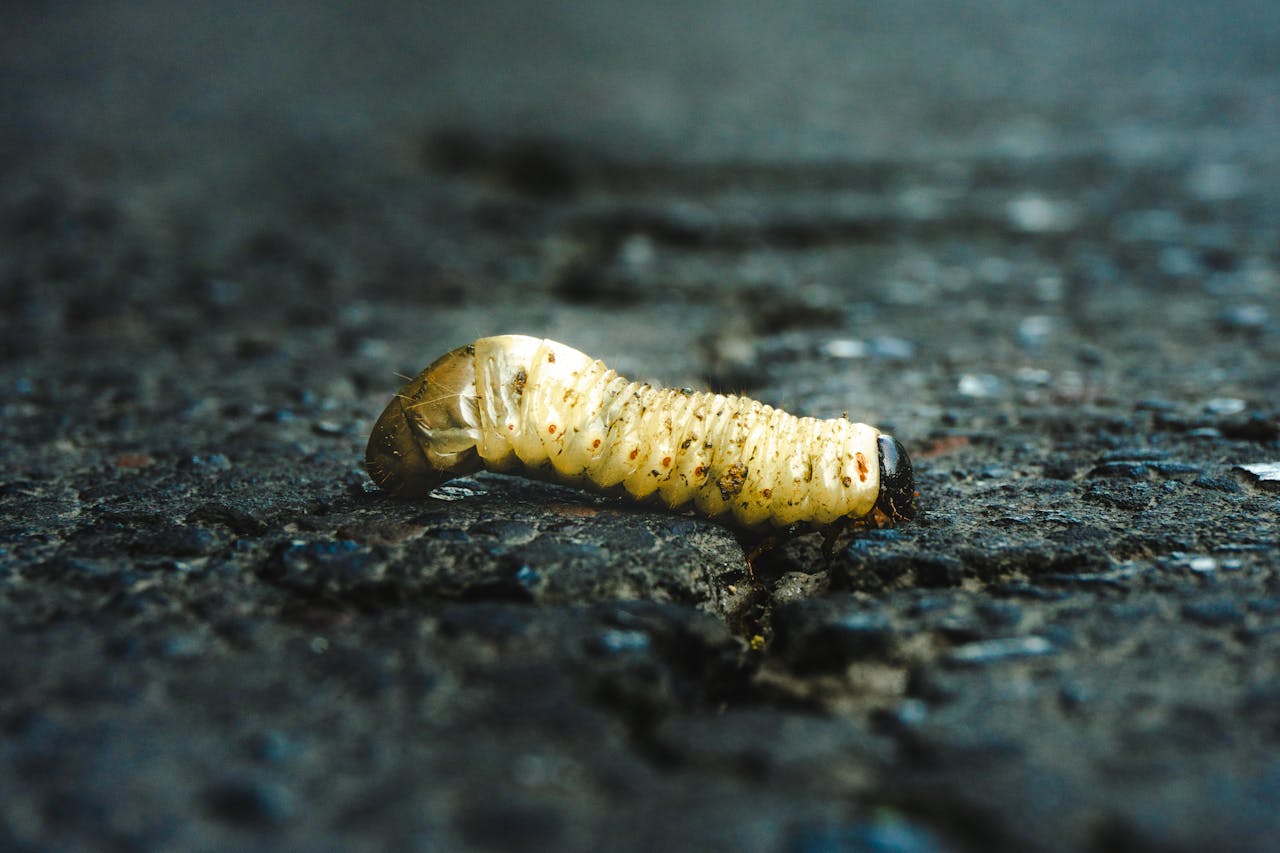
Screwworm is a serious parasite that can harm pets, livestock, wildlife, and other warm-blooded animals. Recent concerns about screwworm have brought attention back to animal health in Texas and nearby regions. While many pet owners have never seen a screwworm case, understanding the risks can help protect animals from serious injury.
Screwworm infestations can develop quickly. Early detection and proper care are important because untreated cases can lead to severe tissue damage and infection.
What Is Screwworm?
Screwworm is the larval stage of the New World screwworm fly. Unlike many other fly larvae that feed on dead tissue, screwworm larvae feed on living tissue. This makes them especially dangerous.
Female flies lay eggs in open wounds, cuts, surgical sites, tick bites, or other skin openings. After the eggs hatch, the larvae burrow into the wound and feed on healthy tissue.
As the larvae grow, the wound becomes larger and more painful. Without treatment, the condition can become severe.
Why Texas Is Paying Attention
Texas shares close animal trade and wildlife connections with areas where screwworm monitoring remains important. Animal health officials continue surveillance efforts because the parasite can spread through animal movement.
Texas has a large population of cattle, horses, pets, and wildlife. This creates concern because screwworm can affect many different species.
Veterinarians and animal health experts encourage owners to inspect animals regularly, especially if they spend time outdoors.
Animals at Risk
Screwworm can affect many animals.
Common animals that may be affected include:
- Dogs
- Cats
- Horses
- Cattle
- Goats
- Sheep
- Deer
- Wildlife species
Any animal with an open wound can become a target for screwworm flies.
Young animals, injured animals, and animals recovering from surgery may face a higher risk because they often have exposed skin or healing wounds.
Signs of Screwworm Infection
Early detection can make treatment easier and reduce complications.
Watch for the following signs:
Some animals may also become weak, lose appetite, or show signs of stress when the infestation becomes severe.
How Screwworm Spreads
Adult flies look for wounds where they can lay eggs. Even a small injury can attract a female fly.
Common entry points include:
- Cuts and scratches
- Surgical wounds
- Tick bite areas
- Branding wounds in livestock
- Ear injuries
- Skin infections
The fly does not need a large wound. Small openings can provide enough access for egg laying.
Once larvae begin feeding, the wound attracts more flies, which can make the problem worse.
Risks to Pets
Dogs and cats can develop serious complications if screwworm infestations are not treated quickly.
The larvae damage healthy tissue while feeding. This can cause:
- Severe pain
- Tissue destruction
- Secondary bacterial infections
- Delayed healing
- Serious illness
In advanced cases, animals may require extensive veterinary treatment.
Pet owners should never ignore wounds that appear unusual or fail to heal normally.
How Veterinarians Treat Screwworm
Treatment depends on the severity of the infestation.
Veterinarians often:
- Remove larvae from the wound
- Clean the affected area
- Treat secondary infections
- Provide pain management
- Monitor healing progress
The sooner treatment begins, the better the outcome.
Delaying care allows more tissue damage to occur and may increase recovery time.
Prevention Tips for Texas Pet Owners
Prevention remains the best defense against screwworm.
Check Pets Regularly
Inspect your pet’s skin for cuts, bites, scratches, or unusual wounds. Pay special attention after outdoor activities.
Treat Wounds Quickly
Clean minor wounds and follow veterinary advice when needed. Prompt treatment reduces the chance of attracting flies.
Keep Living Areas Clean
Good hygiene helps reduce insect activity around pets and livestock.
Monitor Surgical Sites
Pets recovering from surgery need close observation. Check healing areas regularly and follow all aftercare instructions.
Use Fly Control Measures
Veterinarians may recommend products that help reduce fly exposure. Always use products approved for your specific animal.
Contact a Veterinarian Immediately
If you notice a wound that appears to contain larvae or shows rapid deterioration, seek veterinary help right away.
Why Awareness Matters
Many pet owners know about fleas, ticks, and heartworms. Fewer people understand the dangers of screwworm.
Awareness helps owners recognize early warning signs and seek treatment before severe damage occurs.
Animal health officials continue monitoring efforts because early detection plays a major role in preventing spread.
When pet owners report unusual wounds quickly, veterinarians can respond faster and help protect other animals in the area.
Conclusion
Screwworm remains a serious threat to animal health. The parasite can cause painful wounds and significant tissue damage when left untreated.
Texas pet owners can lower the risk by checking animals regularly, treating wounds promptly, and seeking veterinary care when problems arise. Early action can prevent complications and help keep pets healthy and safe.
Understanding the signs, risks, and prevention methods gives pet owners an important tool for protecting the animals they care about every day.