

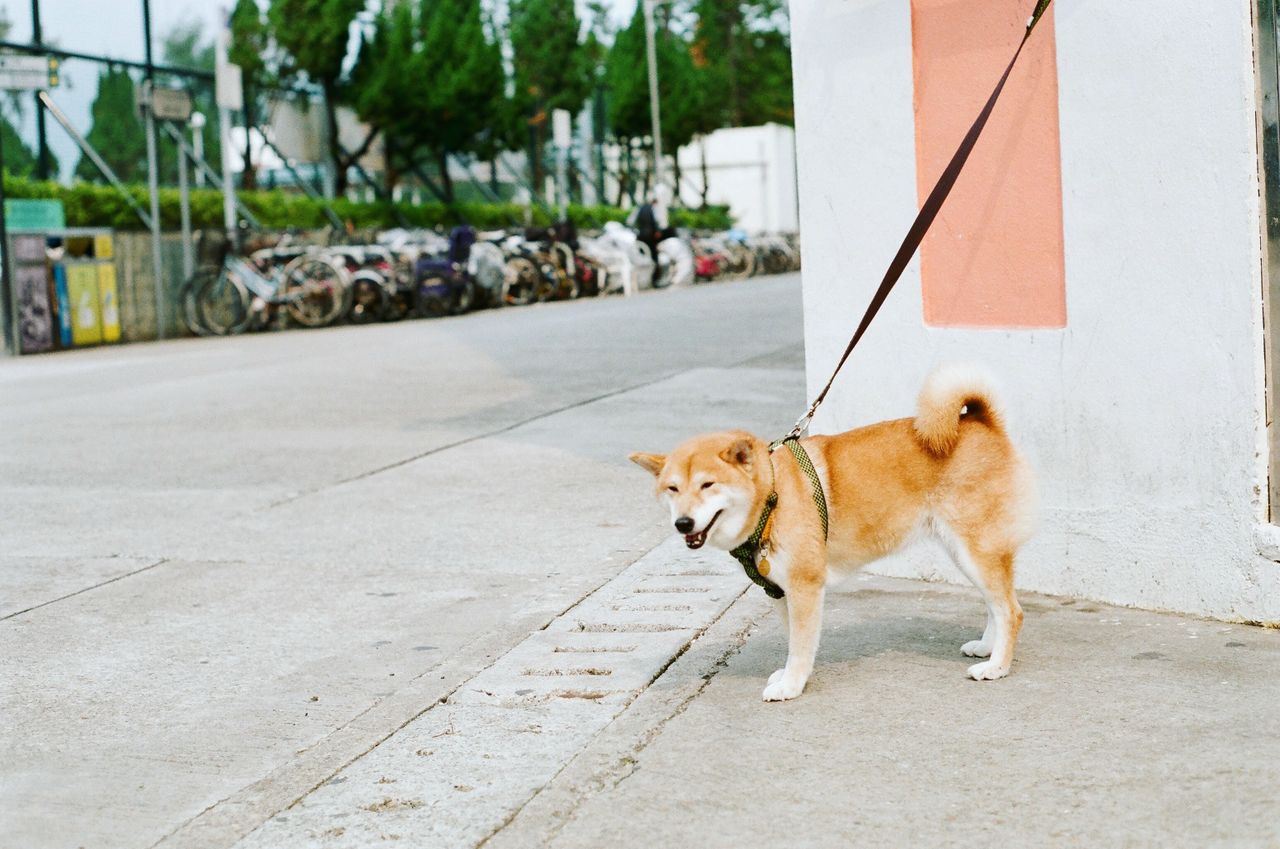
Many dog owners tie up their pets without a second thought. They clip a chain to a tree or a fence, head inside, and leave the dog out for hours. But in a growing number of places, that simple habit can lead to a fine of up to $250 for each dog. The rules are stricter than most owners realize, so it pays to know how to tie up your dog the right way.
What the Law Targets?
These rules are called anti-tethering laws. They exist to protect dogs from a life spent stuck at the end of a chain. A dog left tied up for long hours often suffers boredom, stress, and even injury. Lawmakers wrote these laws to stop that kind of neglect.
California led the country here. It became the first state to limit chaining and tethering, and its law still sets a clear standard. The law makes it illegal to tie a dog to a stationary object, such as a doghouse, tree, or fence, for more than a short and reasonable period. In California, that limit sits at three hours within a 24-hour period.
You are not alone if these rules surprise you. As of recent counts, more than 20 states and the District of Columbia have some form of tethering law on the books. The exact limits change from place to place, but the goal stays the same.
How Much It Costs?
The fine depends on how serious the violation is. A minor violation counts as an infraction, while a worse one counts as a crime.
An infraction in California brings a fine of up to $250 for each dog tied up the wrong way. A more serious violation can count as a misdemeanor, which carries a fine of up to $1,000 per dog and even up to six months in jail. In many cases, animal control will first give you a warning and a chance to fix the problem, unless the dog is in real danger.
The Right Way and the Wrong Way:
The law does not ban every form of tying up a dog. It simply sets rules for how you do it. Here is a clear look at what tends to break the rules and what stays within them.
| Often Breaks the Rules | Usually Allowed |
|---|---|
| Chaining a dog to a tree or fence for hours | Tying a dog briefly while you finish a quick task |
| Leaving a dog tied past the legal time limit | Using a running line, pulley, or trolley system |
| Using a choke or pinch collar on a trolley line | Using a proper collar or harness made for the job |
| Tying a dog out in dangerous weather | Keeping a dog in a fenced yard with room to move |
Safer Ways to Contain Your Dog:
You have plenty of good options that keep your dog safe and keep you out of trouble.
A running line or trolley system gives your dog room to move while staying secure. Just make sure you use a regular collar or harness, not a choke or pinch collar, and give the dog access to water and shade.
A fenced yard works even better. It lets your dog walk, run, and rest without any rope at all. If a full fence costs too much, look into a smaller enclosed area or a sturdy outdoor pen.
For short trips, simply bring your dog inside or take it with you. A dog left alone on a chain for hours is exactly what these laws aim to prevent.
Why These Rules Make Sense?
Dogs are social animals. They need company, movement, and care to stay healthy and happy. A dog stuck on a chain often grows anxious, lonely, and sometimes aggressive. That outcome is bad for the dog and risky for the people nearby.
The laws also protect dogs during hard weather. Some places now ban tethering a dog outside during extreme heat or cold, since a trapped animal cannot escape the danger.
The Takeaway:
Tying up a dog the wrong way can cost you up to $250 per dog, and in serious cases far more. The good news is that following the rules takes little effort. Keep any tie-up short, use the right gear, and give your dog a safe space with room to move.
This article shares general information and does not serve as legal advice. Tethering laws vary by state, county, and city, so check the rules where you live or speak with your local animal control office. A few simple changes protect your wallet and, more importantly, the health and comfort of your dog.