
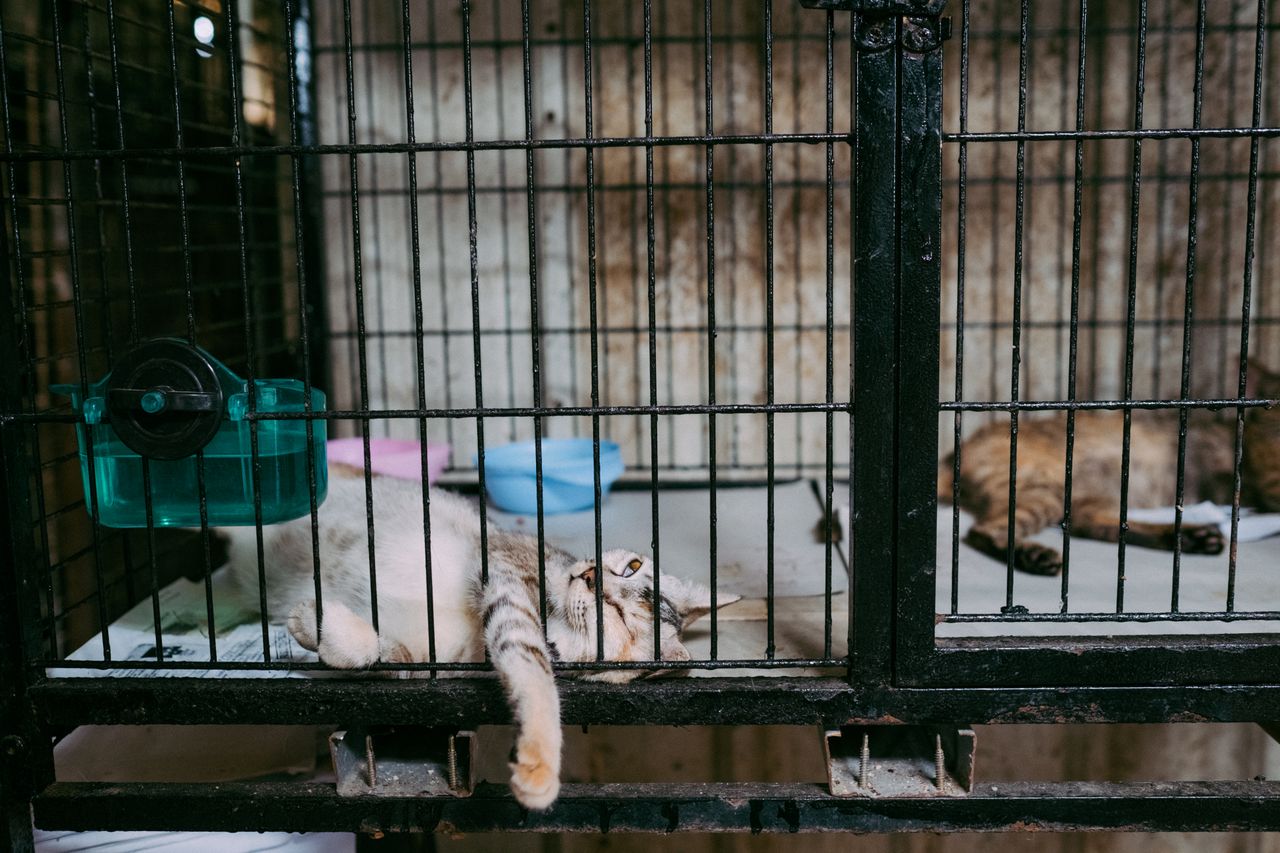
Delaware has taken a big step toward changing how people buy dogs and cats. State lawmakers approved a bill that would stop most pet stores from selling these animals. The measure now sits on the governor’s desk and awaits his signature. If it becomes law, it could reshape the pet trade across the state and push more buyers toward adoption.
What the Bill Does?
The bill is called House Bill 131. At its heart, it bars most retail pet stores from selling, leasing, or transferring ownership of dogs and cats. In plain terms, stores could no longer offer puppies and kittens for sale the way many do today.
The bill does not shut stores out of the picture, though. Instead, it lets them team up with animal shelters and rescue groups. A store could set aside space to show animals that need homes. Shoppers could then meet those animals and adopt them through the shelter or rescue.
Supporters say the goal is simple. They want to cut the demand for animals that come from large commercial breeding operations, often called puppy mills. By steering buyers toward shelters and rescues, they hope to give more homeless animals a chance.
A Quick Look at the Bill:
Here are the key parts of House Bill 131 in one place.
| Part of the Bill | What It Says |
|---|---|
| Main rule | Most pet stores cannot sell dogs or cats |
| What stores can do | Partner with shelters and rescues to show adoptable animals |
| Exemption | Some existing licensed dog retailers may keep operating |
| Reporting | Qualifying stores must report breeder details twice a year |
| Penalty | A $500 fine for each unlawful sale |
| Enforcement | The state Office of Animal Welfare |
The Exemption for Some Stores:
The bill does not treat every store the same way. It carves out an exemption for certain existing dog retailers. A store that has sold dogs and held a proper retail dog license for at least one year before the law takes effect could keep operating.
These stores would face conditions, though. They would need to send breeder and broker information to the state Office of Animal Welfare twice each year. The agency would then post that information online so the public could review it. This rule aims to add openness about where the animals come from.
How the State Would Enforce It?
The Office of Animal Welfare would handle enforcement. A store that breaks the rules would face a civil penalty of 500 dollars for each violation. The bill counts each unlawful sale or transfer as a separate offense, so penalties could add up quickly for repeat violations.
When a store works with a shelter or rescue, it must follow strict terms. The shelter cannot have bought the animals, and the store cannot hold any financial stake in the adoptions. These rules try to make sure the partnership serves animals rather than profit.
Where Things Stand?
The bill has moved far through the process. It passed the Delaware House with a unanimous vote of 41 on June 18, after it had already cleared the state Senate. Now it waits for Governor Matt Meyer to decide whether to sign it.
If the governor signs the bill, the law would take effect six months later. That gap would give stores, shelters, and rescues time to prepare for the new rules.
Two Sides of the Debate:
The bill has strong support, but it also has critics. Supporters, including animal welfare groups, argue that it will shrink the puppy mill pipeline and help shelter animals find homes.
Critics push back hard. Some breeder groups and pet industry voices warn that the law could close small family businesses and cost jobs. They also worry that buyers who cannot find pets in stores might turn to online sellers or other unregulated sources, which could carry more risk for both pets and people.
The Takeaway:
Delaware now stands close to joining a growing list of places that limit pet store sales of dogs and cats. The bill would push the market toward adoption while leaving a narrow path open for some existing stores that meet the rules.
The final word rests with the governor. If he signs it, pet shopping in Delaware will look different within a year. For anyone in the state thinking about adding a dog or cat to the family, it pays to watch this decision closely, since it could change where and how you bring your next pet home.