

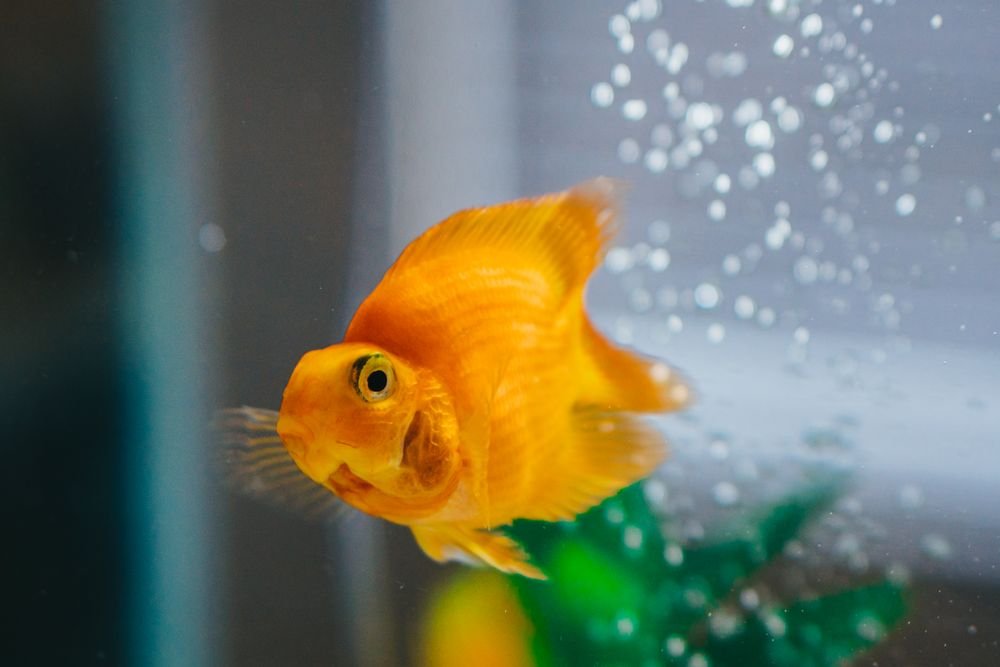
A fish that looks unwell may be responding to its environment, an infection or another problem. A practical health-care kit helps you gather useful information before acting: it’s built around regular testing and close observation, with medication saved for when you know what needs treating.
Start with testing, not treatment
Before anything else, a health-care kit needs tests for ammonia, nitrite, nitrate, and pH. These readings help you assess the environment alongside the fish’s symptoms. Choose a kit you can use and interpret reliably, and follow its directions for sampling, timing and reading results. Record the actual numbers rather than simply writing that the water looks fine.
A reliable thermometer belongs right next to the test kit. The Merck Veterinary Manual identifies stress, poor water quality, overcrowding, and failure to quarantine as contributors to fish disease. A thermometer that’s easy to read at a glance helps you spot a temperature change and investigate the heater before the problem worsens.
Round out this layer with a water conditioner appropriate for your source water. If your tap supply contains chlorine or chloramine, use a product labeled to address it when preparing replacement water. Keep the label and a dedicated measuring tool with the bottle.
Build the kit in layers
Think of the kit as having three distinct jobs, and keep the supplies organized by those jobs so you’re not digging through a box during an emergency.
The diagnostic layer holds the test kit and thermometer covered above, along with a notebook or app where you can log your readings.
The stabilization layer is your cleaning and maintenance gear. Keep a gravel vacuum and a dedicated bucket that has never held household cleaners. These let you remove debris and carry out appropriate water changes without borrowing potentially contaminated equipment. Choose the response according to your test results and aquarium setup; a distressed fish isn’t a reason to make several large changes blindly.
The treatment layer is the smallest part of the kit and the one that should stay mostly empty until you actually need it. This is where species-specific and condition-specific medications belong, chosen only once you know what you’re dealing with and what treatment is appropriate.
Set up an isolation tank before you need one
New fish carry risk, and so does any fish that’s already showing signs of illness in your display tank. A separate tank, cycled and ready for use, lets you observe and treat without dosing medication into water that houses every other fish you own.
Quarantining new arrivals gives you time to observe their appetite, movement and appearance before introducing them to established fish. It reduces opportunities for disease to spread, but doesn’t guarantee that every infection will become visible. Ask an aquatic veterinarian about a suitable quarantine period and monitoring plan for the species and source of your fish.
Size the setup for the fish that may need it, with suitable filtration, aeration and temperature control. A small container is not automatically suitable for a large fish or several new arrivals. Keep separate nets and cleaning tools for it, and monitor its water quality. An isolation tank needs maintenance too; it should not introduce a new source of stress.
Know what you’re treating before you buy anything
A fish looks sick, a hobbyist searches online, and a bottle gets ordered before anyone has identified what’s causing the problem. A damaged fin, for example, could prompt questions about aggression as well as disease. Buying medication first can distract from investigating the tank and obtaining a diagnosis.
If a fish shows signs of illness, get advice from an aquatic veterinarian rather than trying to identify an infection from appearance alone. Severe breathing difficulty or an inability to stay upright calls for prompt help. Once you have that guidance, take time to evaluate the specific product you’re considering instead of grabbing whatever’s popular. Check the active ingredient and whether it’s appropriate for the species you’re treating, then read the label all the way through, including any warnings about invertebrates or sensitive fish. Metronidazole-based products, for instance, are formulated for specific conditions and aren’t a catch-all for every illness. At that stage, finding products for animal care should involve reviewing the specific aquarium medication against the veterinarian’s recommendation, not choosing by the product name alone.
Maintain the kit like you’d maintain anything else
A health-care kit needs ongoing attention. Check expiry dates on test reagents and any medications you keep, and follow each label’s storage instructions. Set a reminder every few months to review supplies, replace expired items and check that equipment works, rather than leaving those checks until you need the kit.
Keeping a simple log of water parameters and any treatments used, with notes on how a fish responded, gives you something to reference the next time an issue comes up. Patterns show up over time that a single snapshot never reveals.
A kit built this way does its real work through regular testing and clean water, long before any medication bottle gets opened.