
Mobile livestock vets play a vital role in supporting the health, productivity, and long-term well-being of animals kept on farms, ranches, and small homesteads. For many owners of horses, cattle, goats, sheep, and other large animals, the convenience of veterinary care delivered directly to the property is not just helpful—it’s essential. Transporting large animals can be stressful, risky, and sometimes impossible depending on the situation. This is where
mobile practitioners make an enormous difference, offering professional diagnostics, treatment, and ongoing herd management right where animals are most comfortable.
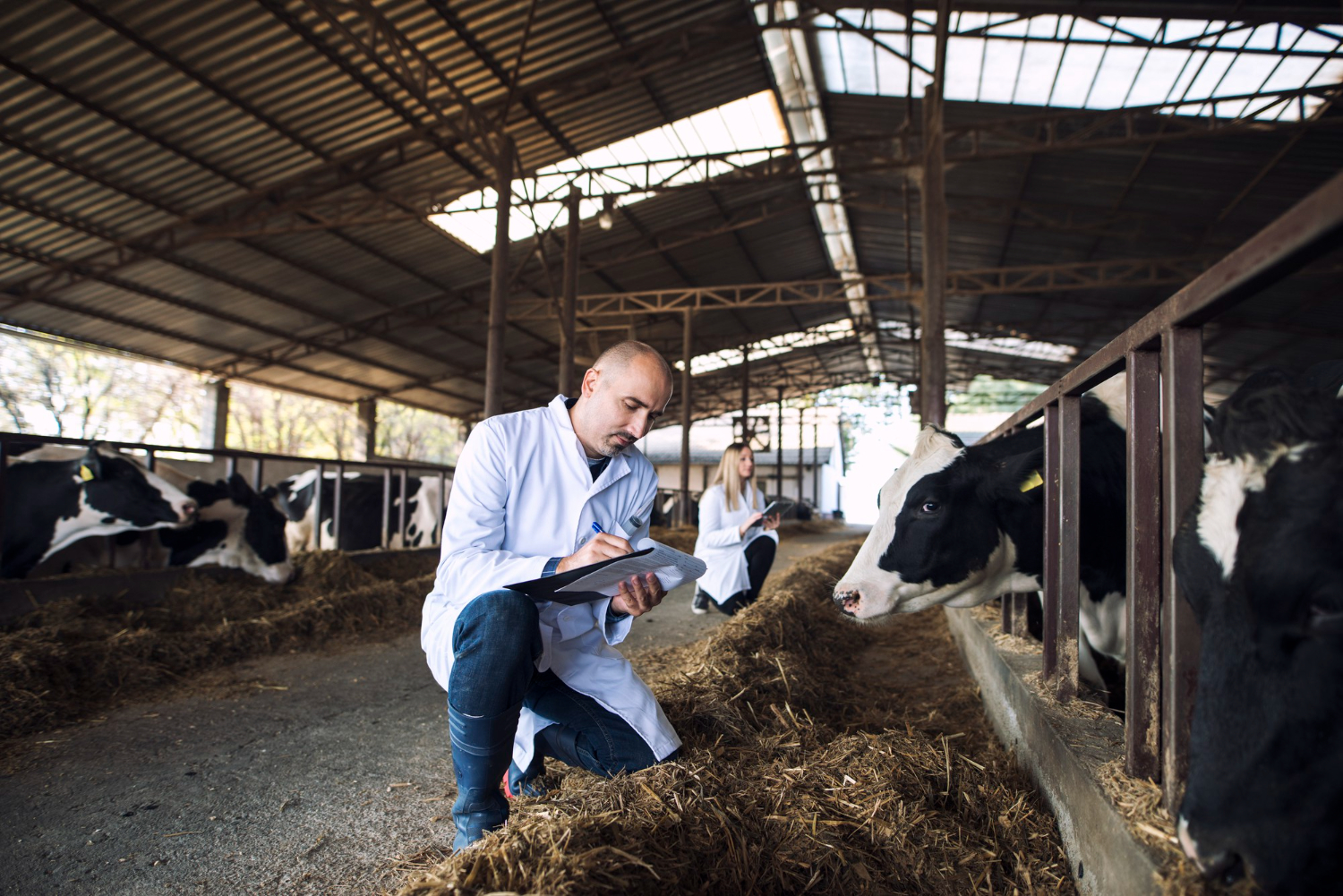
These traveling veterinarians bring a fully equipped service to the property, often carrying portable ultrasound units, digital X-rays, lab equipment, and medical supplies capable of handling routine and emergency needs. Instead of loading animals into trailers, owners can schedule routine wellness checks, vaccinations, pregnancy exams, and diagnostics at home. This reduces stress for the animals and saves significant time for the owner, making the model appealing for both small hobby farms and larger operations.
Mobile livestock vets also provide essential preventive care. Early detection of health issues leads to better outcomes, improved fertility, and reduced loss. Regular herd assessments allow veterinarians to track weight, nutrition levels, parasite loads, and behavior patterns that might suggest early-stage health concerns. These visits help ensure each animal receives individualized attention, something that is harder to accomplish when hauling a group to an
off-site facility. Additionally, the veterinarian can observe the natural environment, feeding practices, herd dynamics, and shelter conditions, allowing for targeted recommendations that directly support long-term health.
Emergency response is equally important. When a cow is struggling with calving, when a horse experiences colic, or when a goat develops sudden lameness, quick on-site medical intervention is often the difference between life and death. Mobile vets are accustomed to managing urgent situations such as dystocia, traumatic injuries, respiratory issues, or acute infection. Their ability to reach the property quickly and stabilize the animal means owners don’t waste critical minutes preparing for transport. This is especially valuable for larger herds, where multiple animals may require immediate evaluation.
Another advantage of mobile veterinary care is treatment continuity. Establishing a relationship with the same traveling practitioner allows for consistent records, familiarity with each animal’s temperament and history, and a better understanding of the overall operation. Whether it’s a small flock or a commercial herd, continuity leads to more accurate treatment plans and efficient long-term care. Owners often prefer the personal connection and the ability to ask questions in a comfortable environment without feeling rushed.
Equine Dentistry: A Key Component of Mobile Care
Horses in particular benefit significantly from mobile veterinary dentistry. Equine teeth grow continuously and naturally wear down with chewing motions, but uneven wear, sharp points, or
dental misalignment can lead to discomfort, weight loss, and behavioral issues. A mobile livestock vet trained in equine dentistry can perform floating, oral exams, and corrective procedures on-site. Since many horses are uneasy with unfamiliar environments, having dental care done at home helps reduce nervousness and improves safety for both the horse and the veterinarian. Regular dental exams support proper nutrition, prevent long-term dental disease, and improve performance for working or riding horses. When combined with annual wellness checks, dental care is one of the most valuable preventive services owners can schedule.
Routine treatments such as vaccinations, castration, hoof assessments, fecal tests, and parasite management are also commonly performed during mobile visits. Many veterinarians carry diagnostic tools allowing them to run bloodwork or ultrasound imaging right in the field. According to the American College of Veterinary Medicine, early intervention and consistent preventive care are linked to better animal welfare and overall herd productivity (source). This supports the growing preference among livestock owners for accessible, on-site medical services.
Pregnancy checking is another major service offered. For cattle and goats especially, managing breeding cycles, assessing fetal viability, and monitoring maternal health are crucial to maintaining a productive herd. Mobile vets can use portable ultrasound machines to confirm pregnancies, estimate due dates, and catch reproductive issues before they become serious.
This ensures that breeding programs operate smoothly and reduces the risk of complications during birthing seasons.
In addition to medical care, many mobile livestock vets offer nutritional counseling and herd management guidance. They can evaluate pasture quality, feed routines, mineral supplementation, and environmental stressors. This holistic approach helps owners maximize the health and performance of their animals year-round. With large animals, even small dietary adjustments can have meaningful health benefits, and receiving tailored advice directly on the property leads to better, more personalized outcomes.
As more livestock owners seek convenience, safety, and comprehensive on-site healthcare, mobile veterinary services continue to grow in demand. They provide a practical, efficient, and highly effective way to keep animals healthy without the logistical challenges of off-site visits. Whether it’s horses needing dental care, cattle requiring reproductive management, or goats and sheep benefiting from routine exams, these services offer an invaluable solution for anyone responsible for livestock.
FAQ
Are mobile livestock vets able to handle emergencies?
Yes. Many offer emergency calls for issues like calving problems, colic, sudden illness, or injuries and can often respond faster than it would take to transport the animal.
Do they bring all necessary equipment?
Most traveling vets carry portable diagnostic tools, medications, and treatment supplies, allowing them to perform exams, labs, imaging, and many procedures on-site.
How often should large animals receive routine checkups?
A yearly exam is recommended for most livestock, while horses often benefit from twice-yearly dental and wellness visits.
Can mobile vets perform ultrasounds and pregnancy checks?
Yes. Portable ultrasound units make on-site pregnancy evaluation simple and accurate for cattle, goats, sheep, and horses.
Is mobile dental care safe for horses?
Absolutely. Equine dental procedures are commonly done at home in a familiar environment, reducing stress and improving safety.
FAQ provided to you by Arizona Mobile Vet.