

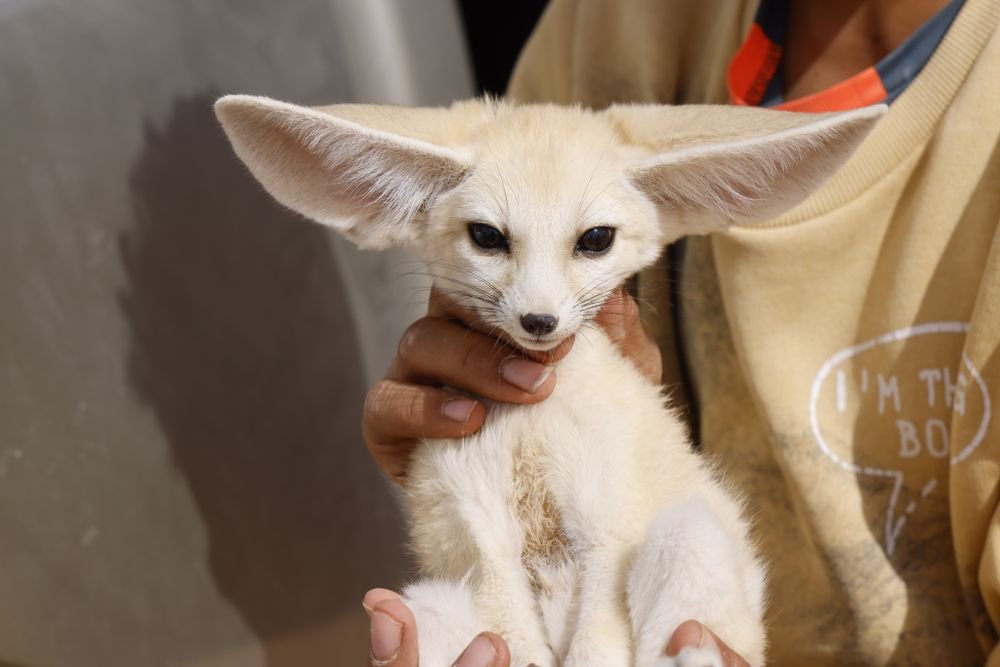
“Exotic” is a word that does a lot of misleading work in the pet world. It suggests something rare, difficult, and specialized, which makes plenty of genuinely manageable animals sound intimidating, while making some genuinely demanding species sound more approachable than they actually are. The result is a pattern that shows up again and again among exotic pet rescues: new owners who researched enthusiastically but still walked into ownership with a handful of fundamental misconceptions that only became clear after the animal was already home.
Misconception: “Exotic” Means Difficult
Plenty of animals labeled exotic simply because they aren’t cats or dogs are actually quite manageable — leopard geckos, for instance, are considerably lower-maintenance than many traditional pets once their basic heating and humidity needs are met. Meanwhile, some animals that seem approachable because they’re common in the trade, like certain parrot species, are genuinely demanding in ways that surprise new owners: decades-long lifespans, complex social needs, and noise levels that traditional pet ownership rarely prepares people for.
Misconception: Initial Cost Is the Real Cost
New owners consistently underestimate ongoing costs relative to the purchase price of the animal itself. Specialized diets, enclosure heating and lighting that runs continuously, veterinary care from the smaller pool of vets qualified to treat exotic species — all of these add up to an ongoing expense that often dwarfs what the animal cost initially. This pattern holds true well beyond reptiles and birds; even in the fish-keeping world, checking koi price ranges reveals real variation based on size, pattern quality, and lineage, but the ongoing costs of maintaining a proper pond — filtration, electricity, water testing supplies — are what actually add up over the years a well-cared-for fish can live.
Misconception: Small Enclosures Are Fine for Small Animals
A common assumption is that a physically small animal needs only a small amount of space, but many exotic species have activity levels, territorial needs, or growth potential that far exceed their current size. Certain lizard and snake species purchased small eventually require enclosures the size of a piece of furniture. Fish are a particularly clear example, since juveniles of many species look deceptively modest in size relative to what they’ll eventually become as adults.
Misconception: If It’s Legal to Buy, It’s Simple to Keep
Legal availability says nothing about the complexity of proper care. Regulations around exotic pet sales generally focus on public safety and conservation concerns, not on whether the average buyer has the knowledge or setup to provide appropriate care. Responsible research — ideally from care guides, experienced keepers, and species-specific communities rather than the seller alone — remains entirely the buyer’s responsibility regardless of how easily an animal can be purchased.
Misconception: All Exotic Pets Want to Be Handled
Many exotic species tolerate handling reasonably well but don’t seek it out or benefit from it the way many mammals do. Reptiles in particular can experience handling as stressful rather than enjoyable, even when they show no dramatic reaction. Understanding a species’ actual social and interaction needs — rather than assuming every pet wants the same kind of engagement a dog or cat would — prevents well-intentioned owners from inadvertently stressing an animal that would prefer to be observed rather than held.
Doing Research That Actually Prepares You
The most useful research happens before acquiring an animal, not after a problem shows up. Speaking with experienced keepers of the specific species, understanding full adult size and lifespan, and honestly budgeting for ongoing costs — not just the purchase price — catches most of the common misconceptions before they become welfare issues for the animal or a source of regret for the owner.
Final Thoughts
The word “exotic” tells you very little about how easy or difficult a species actually is to keep well. Looking past the label to the animal’s real needs — adult size, lifespan, ongoing costs, and actual social preferences — is what separates a well-prepared new owner from one who discovers these realities only after the animal is already home and depending on them.